
 eCommerce Logistics
 Aug 29, 2025
From Returns to Revenue: A Practical Guide to Refurbishing and Reselling Returned Goods
Whether you’re just starting out or looking to expand, building a reuse and resale channel from returned goods is one of the smartest, most sustainable moves a modern brand can make.
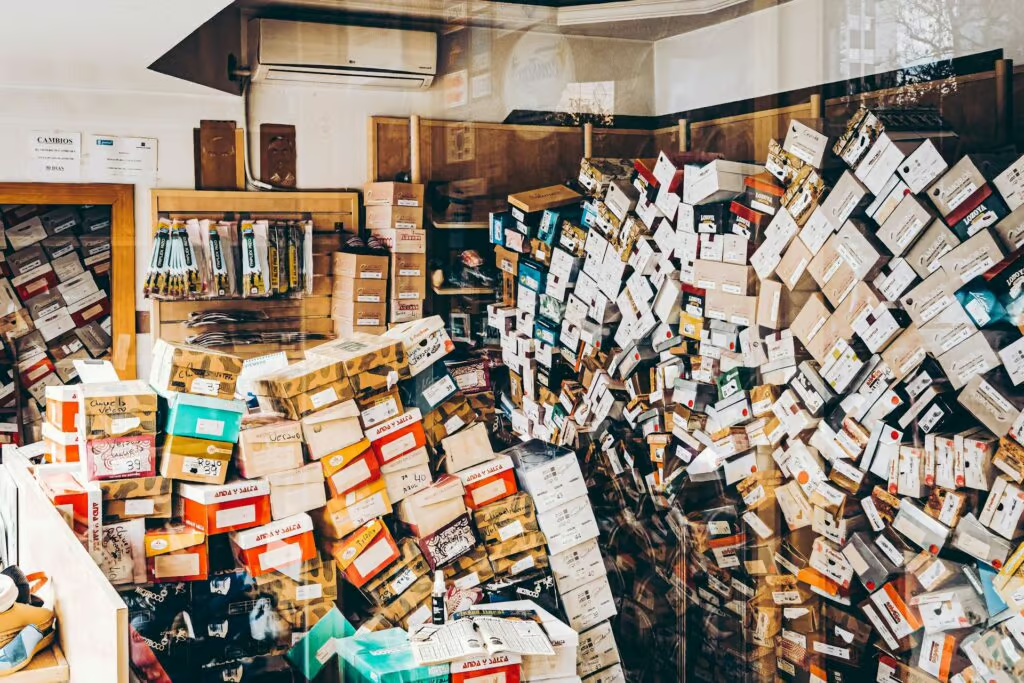
Returns are often seen as a loss, but they don’t have to be. With the right approach, returned products can be transformed into a new revenue stream through refurbishment and resale. Whether it’s electronics, apparel, home goods, or accessories, brands are finding smart ways to reclaim value and reduce waste by giving products a second life.
Here’s how to build a streamlined refurbishment and resale strategy that works.
1. Grade Returned Inventory Effectively
The first step in reclaiming value from returns is knowing what you’re working with. Grading returned products based on condition helps determine their next best use.
Common grading tiers include:
- New/sealed: Unopened items that can go straight back into primary inventory.
- Like new: Opened but unused or returned in perfect condition.
- Good: Light signs of use but fully functional—ideal for refurbishment.
- Damaged/for parts: Non-functional or cosmetically flawed items better suited for recycling or liquidation.
Use standardized checklists and visual guides to ensure consistent grading, and consider automation (barcode scans, AI inspection tools) for higher-volume operations.
2. Set Up a Refurbishment Workflow
Once items are graded, those in “like new” or “good” condition can enter a refurbishment process tailored to your product category. This may include:
- Cleaning or sanitizing
- Repairing minor defects
- Replacing missing parts (e.g., power cords, tags, packaging)
- Resetting devices to factory settings
- Repackaging with appropriate labeling
Refurbishment can be done internally or via third-party partners specializing in specific product types (e.g., electronics refurbishers, fashion repair centers). Make sure you have clear SOPs to ensure speed and quality.
Tip: Consider hanging on to items that can be used for parts to use in a warranty program. For example, if you allow customers to send in items to be fixed, you can pull any needed parts from returned items that are no longer suitable to sell as the fully assembled piece.
3. Reinvent Your Resale Channels
Once refurbished, products can be resold through a variety of channels. Each one offers a way to capture revenue while managing brand perception and inventory control.
Options include:
- Your own site via a clearance section
- An outlet mall or other discount retail store
- Third-party marketplaces
- B2B liquidation partners (for lower-grade or bulk items)
Make sure refurbished items are clearly labeled and priced to match customer expectations. Highlighting the environmental benefits of refurbished purchases can also boost appeal, especially with eco-conscious consumers.
4. Track the Financial and Environmental Impact
To measure success, track KPIs such as:
Percentage of returned goods successfully resold
Cost per refurbishment vs. margin recovered
Time from return to resale
Waste diverted from landfills
Customer satisfaction with open-box/refurbished items
This data informs business decisions and strengthens your sustainability reporting, reinforcing brand trust.
5. Prevent Future Returns While Scaling Refurbishment
As your program grows, you can reinvest insights from refurbishment to prevent returns in the first place. For example:
- Track why refurbished items were returned—was it sizing, defects, or unclear descriptions?
- Improve product listings or QC based on return trends
- Use customer feedback loops to guide design or packaging changes
With the right feedback and automation tools, refurbishment becomes part of a full-cycle strategy to reduce returns over time.
Refurbishing and reselling returned goods is a win-win: you reduce waste, recapture lost revenue, and offer more affordable options to customers, while minimizing environmental impact.
Whether you’re just starting out or looking to expand, building a reuse and resale channel from returned goods is one of the smartest, most sustainable moves a modern brand can make.
Read more about optimizing your returns in our returns and reverse logistics guide!
Related articles
-
 eCommerce Logistics
Oct 21, 2022
eCommerce Logistics
Oct 21, 2022
Warehouse Management Best Practices: 5 Tips for Optimized Processes
Read moreWarehouses are the heart of many companies, but operations can be difficult to manage. Continual improvement is the best approach to overcoming this challenge. In this article, we’ll discuss the industry’s best practices for warehouses.
-
 eCommerce Logistics
Dec 30, 2024
eCommerce Logistics
Dec 30, 2024
Prevent Stockouts: 5 Ways to Avoid Going out of Stock
Read morePlenty of businesses have been missing out due to out-of-stock issues over the last few months. So how can you avoid losing money because of out-of-stock problems? One of the best ways is by implementing technology that fosters visibility.
-
 eCommerce Logistics
Feb 03, 2025
eCommerce Logistics
Feb 03, 2025
8 Effective Ways to Offer Free Shipping
Read moreAmid all the talk of recession and the eye-popping statistics on inflation, many businesses are turning to a strategic focus: customer retention. There are many ways to do this, but one that quickly comes to mind is shipping experience.